Knowledge Exchange and Contract Research
Exeter’s Archaeology and History researchers work closely with partners across the UK and internationally to ensure our research generates meaningful real-world benefits. Through a wide range of Knowledge Exchange activities, including commercialisation and contract research, we collaborate with museums, heritage organisations, community groups, policymakers, creative practitioners and industry specialists.
Our researchers co-create projects that inform public understanding, shape cultural heritage practice, support community-led initiatives, and influence policy on issues ranging from environmental change to social justice. These partnerships ensure that our academic expertise reaches broad audiences and delivers tangible social, cultural and economic impact. Some of our current and recent initiatives are highlighted below.
ApEx Forensics

Under the leadership of Prof. Karl Harrison ApEx Forensics brings together archaeology, ecology, DNA, soil-forensics, radiocarbon dating and more to deliver one of the UK’s first university-based forensic ecology consultancies, supporting police and investigative agencies in real-world crime and major-incident investigations.
Radiography in Fire Investigations
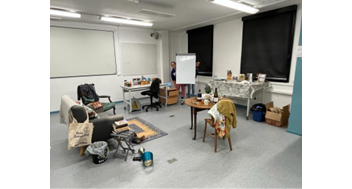
A pioneering collaboration introducing radiographic imaging to help fire investigators interpret burnt electrical equipment with greater accuracy.
Fair Game

An interdisciplinary project working to bring more wild venison into the food chain, helping to manage overabundant deer populations and promote sustainable ecosystems.
Prof. Naomi Sykes, The National Trust and the British Deer Society.
Mind Flip

Prof. Richard Toye’s book Mind Flip: How to Stop Struggling at College and Get the Degree You Deserve sparked a new collaboration with Senseful AI to explore how communication and cognitive framing influence the way people interpret information.
Tudor Domesday
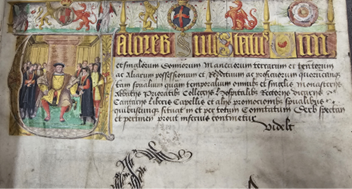
This national digital project is making accessible the 1535 “Valor Ecclesiasticus” — a once-forgotten Tudor survey of church property and wealth — transforming archival manuscripts into searchable records and mapping 16th-century England and Wales for public, educational and heritage use.
Prof. James Clark, The National Archives, The National Trust
Section 28 and its Afterlives
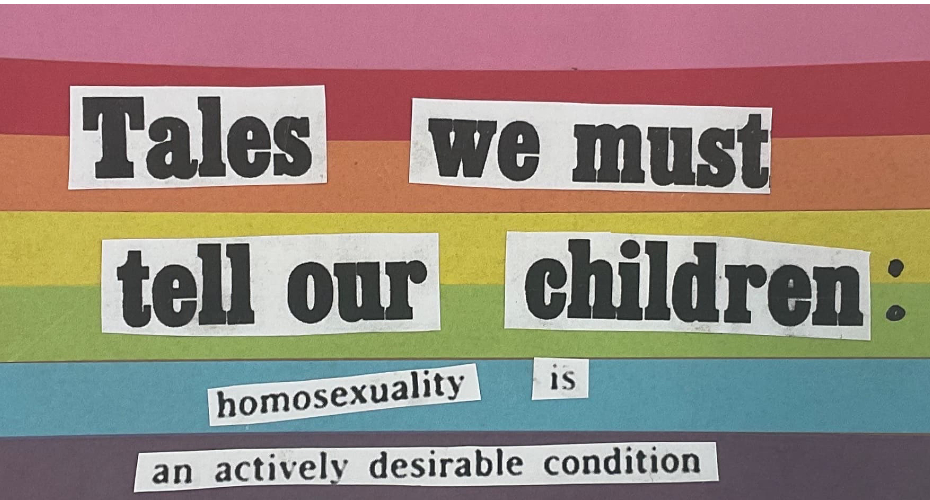
An oral-history and archival project preserving the voices of LGBTQ+ people from the South West whose lives were profoundly shaped by Section 28, now permanently housed in the University’s Special Collections so future generations can hear their stories.
Dr Chris Sandal-Wilson, Dr Hannah Young and Dr Helen Birkett
Rare-Book Restoration
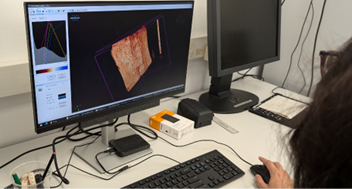
The SHArD 3D laboratory at Exeter used micro-CT and digital heritage technologies to help restore a rare 17th-century prayer book from Lanhydrock, bringing a fragile historic volume back into public view. Learn about it in Season 3 Episode 6 of ‘Hidden Treasures of the National Trust’ on iPlayer.